1. Home
  2. Services
  3. Cold calling
Cold Calling

Real conversations with owners who never answer email

We call your target accounts during their business hours, get past the front desk and talk to the person who decides. Every dial is logged so you see exactly what happened.

  • Calls in your buyers' hours
  • Gatekeepers handled with respect
  • Every dial logged and reported
3partners, one runs every account
300+calls a day in a past US role
ET · CT · PTUS business hours covered
TCPADNC scrubbing on every list
HubSpotSalesforceGoHighLevelZohoApollo.ioLemlistOutreachSalesloftRingCentralDialpadAircallCalendlyZapier
The problem

The phone still works. Doing it well is the hard part.

Warehouse manager checking a tablet between stocked shelves
Our numbers show up as Spam Likely, so nobody picks up.

Carriers label and block calls based on caller ID authentication and call patterns. Blasting from one number, or from poorly set up lines, gets flagged fast. Caller ID setup is part of the job, not an afterthought.

I don't want someone with a script that sounds like a robot.

Prospects hang up on read-aloud scripts in seconds. A good caller uses a script as a map, listens, and talks like a peer who knows the industry.

Are we even allowed to cold call businesses like this?

Business-to-business calls are treated differently from calls to consumers, but rules on calling hours, prerecorded messages and do-not-call requests still matter. Getting it wrong can be expensive.

The receptionist never puts us through to the owner.

The front desk is paid to screen calls. Callers who sound like vendors or try tricks get blocked for good. Getting through takes honesty, timing and persistence.

The cost of waiting

Why most cold calling programs quit too early

19 dials
per conversation for the average rep

Top-quartile reps need about 8. Gong analysis of 300M+ cold calls.

4.6%
of conversations turn into meetings for the average rep

Top-quartile reps book 16.7% of connected calls. Gong analysis of 300M+ cold calls.

$80,000
median OTE to hire one in-house SDR

Before tools, dialer and management time. The Bridge Group, 2025.

The gap between an average caller and a good one is the gap between a channel that pays and one you give up on.

What we do

Cold calling done by people who have done it for years

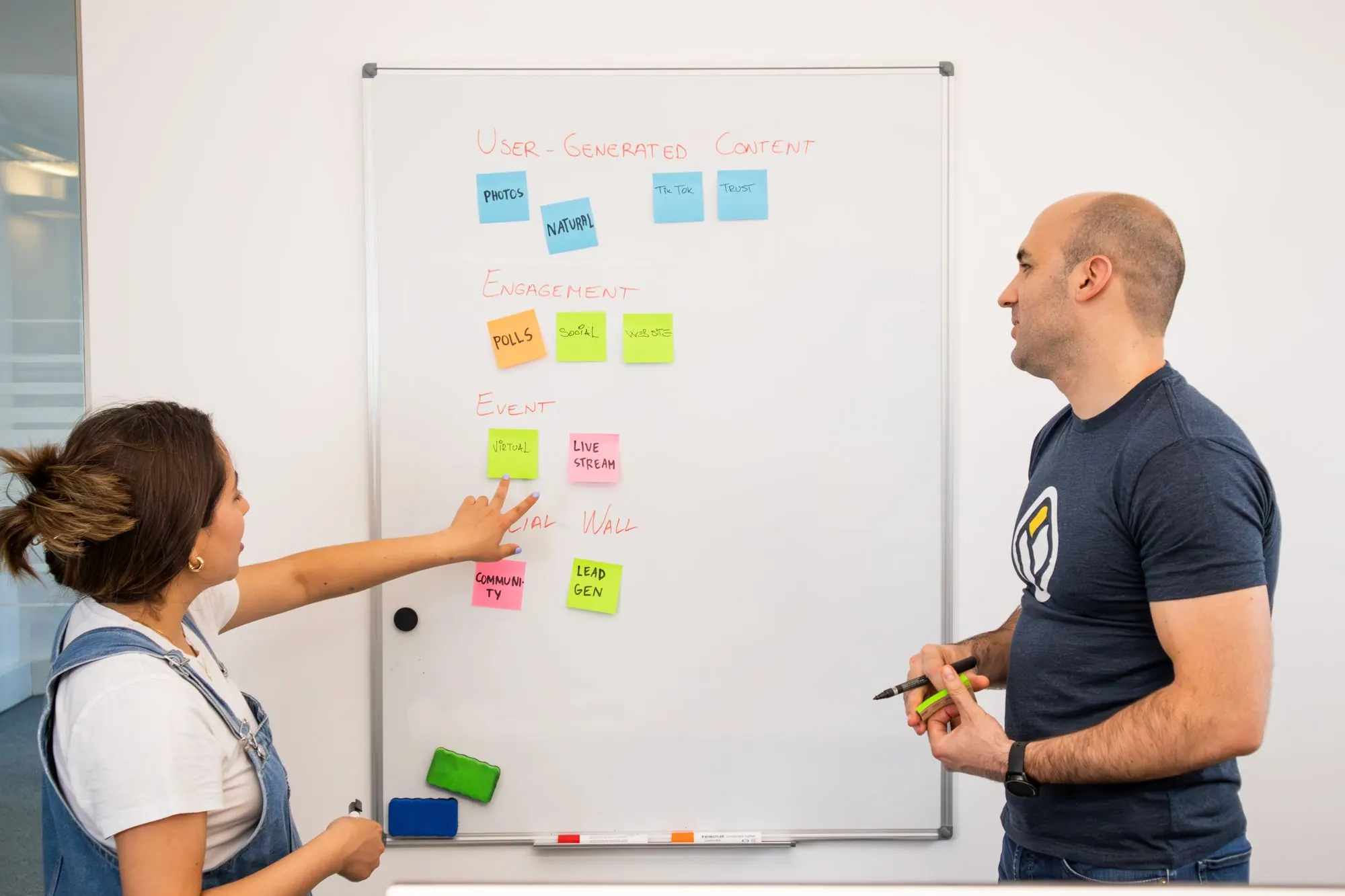
Two colleagues planning at a whiteboard covered in sticky notes

We set up the lines, build the list, write the opener and make the calls. You get conversations, meetings and notes in your CRM.

01

Clean dialing setup

We work in your dialer or set one up, such as Aircall, RingCentral, Dialpad or Mojo. Numbers are registered with your business name where the carrier supports it and rotated before they get tired.

02

Calls in their time zone

Our team works US hours from Nigeria, so calls go out when Miami, Dallas and Los Angeles offices are open. We focus on the hours when owners answer.

03

Openers tested, not guessed

We write two or three openers and test them against each other. We keep what earns a second sentence and drop what gets a hang-up.

04

Gatekeepers as allies

We ask for help, use names, and collect direct lines and best times. No fake familiarity, no tricks.

05

Every dial in the CRM

Dial, outcome, notes and next step are logged in HubSpot, Salesforce, GoHighLevel or Zoho. Your weekly report comes straight from that data.

The detail

How it works, in depth

Warehouse manager checking a tablet between stocked shelves
Anatomy of a callWhat a good B2B cold call sounds like

A good cold call is short and honest. Here is the structure we train and test:

  • Opener, 10 seconds. Name, company, and a straight reason for the call. "Hi Maria, it's Sylvia from Trifecta. I'll be quick. I'm calling because you run facilities for three buildings in Tampa, is that right?" Permission-based openers and plain reasons beat fake small talk.
  • Problem statement, 20 seconds. One sentence on a problem buyers like them usually have. "Most property managers we talk to are unhappy with how their cleaning crew handles weekend coverage."
  • Question. "How is that going for you?" Then stop and listen.
  • Qualify. If there is interest: who else is involved, what they use today, and what would make them switch.
  • Ask for the meeting. A specific time, not "sometime next week". Confirm the time zone out loud.
  • Log it. Outcome, notes and next step in the CRM before the next dial.

When the answer is no, we ask one more question: "Is it a no for now, or a no because you are happy with what you have?" That one question turns many dead ends into follow-up dates.

On voicemail, we keep it brief and pair it with an email. Gong's data suggests voicemails can lower future connect rates while lifting email replies, so we test leaving them versus skipping them for each campaign.

ComplianceB2B calling rules we follow

We are not your lawyers, and you should check your own situation. These are the rules our calling programs are built around:

  • Business numbers, business topics. The FTC says most business-to-business calls are exempt from the Telemarketing Sales Rule. The exceptions include calls selling nondurable office or cleaning supplies, and calls that pitch employees for their personal use. We only call businesses about business services.
  • No prerecorded messages to cell phones without consent. The FCC ruled in 2022 that ringless voicemail to wireless phones is a call that needs prior express consent. Our callers are live people.
  • Calling hours. Florida's Telephone Solicitation Act sets an 8 a.m. to 8 p.m. window and limits repeat calls on the same subject to three in 24 hours. We use that window as our standard in every state, in the prospect's local time.
  • Do-not-call requests. If someone asks not to be called, we mark the record in your CRM and stop. Always.
  • Caller ID. We never spoof numbers. The FCC requires carriers to use STIR/SHAKEN caller ID authentication, and properly attested numbers are less likely to be labeled as spam.
  • Recording. California Penal Code 632 requires the consent of all parties to record a confidential call, and other states have similar rules. If calls are recorded, the caller says so.
MetricsThe numbers in your weekly calling report

Every Monday you get a report pulled from your CRM and dialer. No screenshots, no vanity numbers. It includes:

  • Dials and unique contacts called
  • Connects, a live person answering, and the connect rate
  • Conversations with a target title that lasted past the opener
  • Meetings booked and meetings held
  • Top objections heard this week, in prospects' words
  • Bad data rate, wrong numbers and people who left the company
  • What we are changing next week: list, opener or time block

If the connect rate drops, we check the list and the caller ID first. If connects are fine but meetings are low, we fix the opener and the offer. The report tells us where to look.

We also show the trend. One slow week can be a holiday or a storm in Houston. Three slow weeks in a row is a signal, and we will tell you what we think is causing it before you have to ask. Every number in the report links back to records in your CRM, so you can click through and check any call yourself.

How it works

From discovery call to weekly report

About two to three weeks from first call to first dials. The full process →

Man waving to a client on a laptop video call at home01

Discovery call

We learn your offer, your best customers and what a good meeting looks like for you.

Two colleagues planning at a whiteboard covered in sticky notes02

Lists and scripts

We build your ideal customer profile, pull and verify target lists, and write call and email scripts for your market.

Smiling man on a headset call working at a laptop by a window03

Launch

Calls, emails and LinkedIn go live in your prospects’ business hours, under one partner’s watch.

Three colleagues laughing together around a meeting table with laptops and charts04

Weekly report

Every week you see calls made, conversations held and meetings booked, straight from the CRM.

Before Trifecta

Done before, for US companies

Before Trifecta, Sylvia made high-volume calls to US business owners for a services firm, got past gatekeepers and hit daily and weekly booking targets.

Sylvia Owunnachika
Partner track record · before Trifecta

Calling US business owners for a services firm

Sylvia worked the phones for a US services firm, calling business owners and decision makers directly. The job was to get past the front desk, introduce the service, qualify interest and book the appointment for the sales team, while logging every outcome and follow-up. She consistently hit daily and weekly booking targets.

High-volume calls to ownersGatekeepers handledDaily and weekly booking targets

Led by Sylvia Owunnachika →

Trifecta is a new agency. These are the partners’ own past roles, shared with their permission and without naming the employer. See the full track record.


Packages

Pick a starting point

If the phone is your main channel, Pipeline Starter covers appointment setting by cold calling with BANT-qualified meetings; choose Growth SDR when you want calls backed by email and LinkedIn.

Best fit for this page

Pipeline Starter

For owners who need booked meetings now

  • Appointment setting by cold calling
  • BANT-qualified meetings on your calendar
  • Weekly report
Compare packages →

Growth SDR

For teams ready for steady outbound

  • A dedicated SDR
  • Calls, email and LinkedIn
  • List building and script testing
  • Every touch logged in your CRM
Compare packages →

Full Revenue Team

For companies building a sales function

  • Everything in Growth SDR
  • CRM setup and sales automation
  • Reporting dashboard
Compare packages →
Questions

What buyers ask us first

Your callers are in Nigeria. What about accents?

Our partners have called US business owners for years and speak clear, professional English. We are open about where we are based. Prospects care about whether the caller is respectful, brief and knows their business, and that is what we coach for.

Whose phone number shows on caller ID?

A US number tied to your business or ours, set up with your dialer provider. We never spoof numbers. Where carriers support it, we register the business name so calls are less likely to show as spam.

Is cold calling businesses legal?

Calling businesses about business services is generally allowed in the US, and most B2B calls are exempt from the FTC Telemarketing Sales Rule. We still keep to an 8 a.m. to 8 p.m. local window, honor every do-not-call request and never use prerecorded messages on cell phones without consent. Check your own industry rules with your lawyer.

Which dialer do you use?

Yours if you have one. The team has worked in Aircall, RingCentral, Dialpad and Mojo Dialer, with calls logged to HubSpot, Salesforce or GoHighLevel. If you don't have one, we help you pick and set one up.

How many calls a day will you make?

It depends on your list and how many attempts each contact needs. We agree on daily activity targets at launch and report them weekly, so you always see the volume behind the meetings.

Do you leave voicemails?

We test it. Some markets respond to a short voicemail paired with an email. Others don't. We look at the data for your campaign and choose.

Can we hear the calls?

Yes, if your dialer records calls. We disclose recording on the call where state law requires it and share the best and worst calls of the week in our review.

What if our list is bad?

We find out fast. Wrong numbers and departed contacts are tracked in the report. We can build or clean the list for you as part of the setup.

Book a strategy call

Ready for conversations, not just dials?

Book a strategy call. We'll review who you want to reach and show you the opener, list and calling plan we'd start with.

  • 01We look at your offer, deal size and ideal buyer.
  • 02We tell you which channel and package fits, and what volume to expect.
  • 03You get a written quote. No pressure.

We reply within one US business day. No spam, no sharing your details. Privacy

Book a strategy call →